The Ergo Group:
View TECLAB Case Study
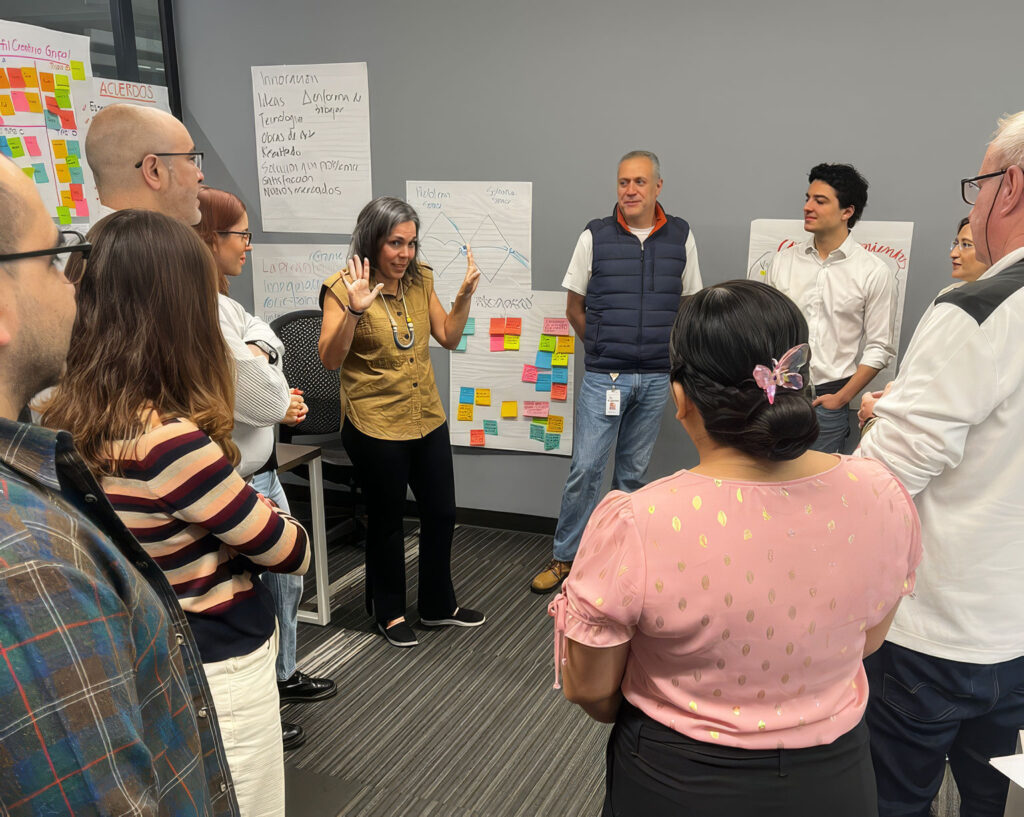
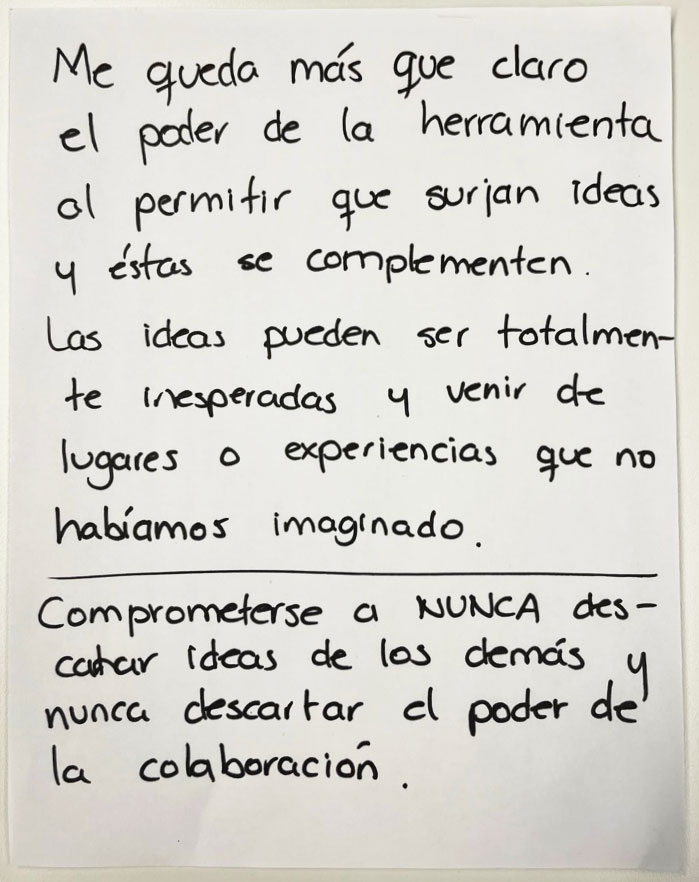
Participants moved from “expert consultants” to facilitators of dialogue and collaboration—learning how to integrate diverse perspectives into system-level solutions.


The Ergo Group:
View TECLAB Case Study

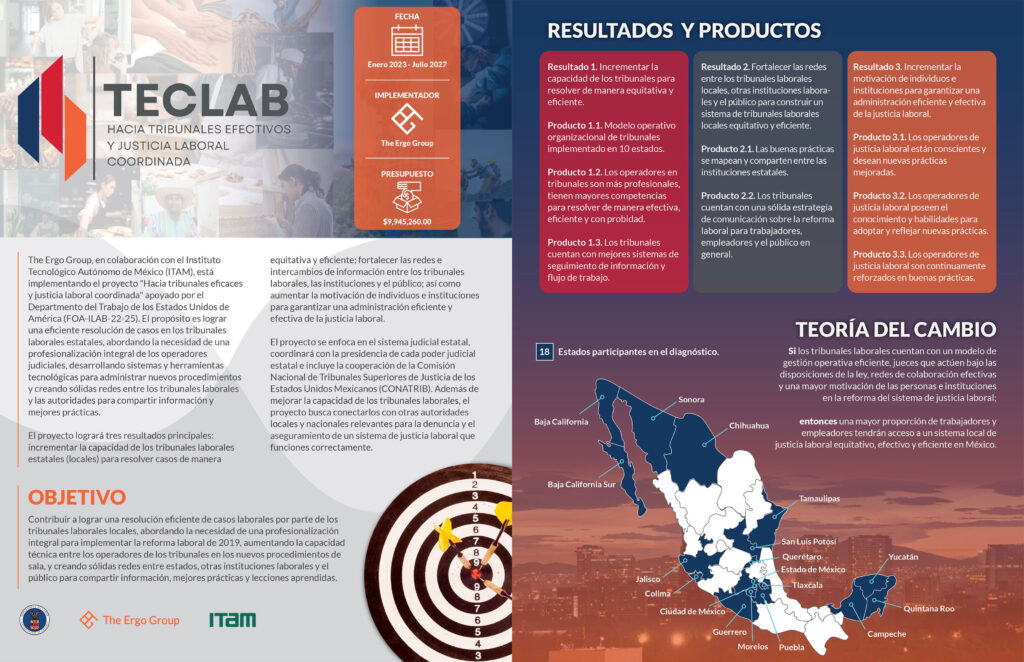
Strengthen local labor courts to deliver fair, effective, and efficient justice as part of Mexico’s 2019 labor reform.
TECLAB was created to support one of the most ambitious public reforms in Mexico in recent years: improving how labor justice is delivered at the local level. The program required not only operational improvements, but also a new way of designing solutions—one that included the people inside the system and those impacted by it.
TECLAB faced a key mindset shift: helping 18 project leaders—experienced consultants and legal experts—move beyond solving problems for stakeholders and start solving them with stakeholders. The goal was to embed co-creation into the way solutions were developed, integrating the perspectives of judges, court staff, institutions, and citizens.
We introduced LUMA Human-Centered Design methods through hands-on training and application in context.

Empathy: Engaged with judges, tribunal staff, and institutions to understand pain points and aspirations from their unique perspectives.



Define: Reframed complex challenges into clear opportunity areas and actionable insights.

Ideate & Co-Create: Facilitated collaborative sessions where TECLAB consultants generated solutions alongside stakeholders, rather than prescribing them.

Prototype & Test: Encouraged quick, low-risk testing to gather feedback before scaling.
Empathy: Engaged with judges, tribunal staff, and institutions to understand pain points and aspirations from their unique perspectives.

Define: Reframed complex challenges into clear opportunity areas and actionable insights.
Ideate & Co-Create: Facilitated collaborative sessions where TECLAB consultants generated solutions alongside stakeholders, rather than prescribing them.


Prototype & Test: Encouraged quick, low-risk testing to gather feedback before scaling.