Identification of primary barriers — perceived program distance from Puerto Rico, workflow concerns, and unclear value for HCPs
Redesigning the experience of an oncology patient support program
Client:
Pharmaceutical Company
Sector:
Pharmaceutical / Oncology Patient Support
Country:
Puerto Rico

Objective:
Understand the causes of low adoption of the Patient Support Program in Puerto Rico and redesign the experience to increase relevance and recommendation among healthcare professionals.
Despite strong adoption in the United States, the program faced resistance locally. Healthcare professionals and staff did not clearly perceive its value, and cultural, operational, and trust-related factors limited recommendations. The organization needed to uncover the drivers behind the hesitation and translate them into actionable improvements.
Challenge
Redesign the patient support experience to better align with Puerto Rico’s medical workflows, cultural context, and trust expectations — increasing recommendation and adoption among healthcare professionals.
Our Human-Centered Approach
Lateral Strategy designed and facilitated a 4-hour in-person Advisory Board grounded in Human-Centered Design principles. A cross-functional group — physicians, nurses, office managers, social workers, and financial administrators — participated, all directly involved in oncology patient journeys. Through a structured collaborative session, participants:

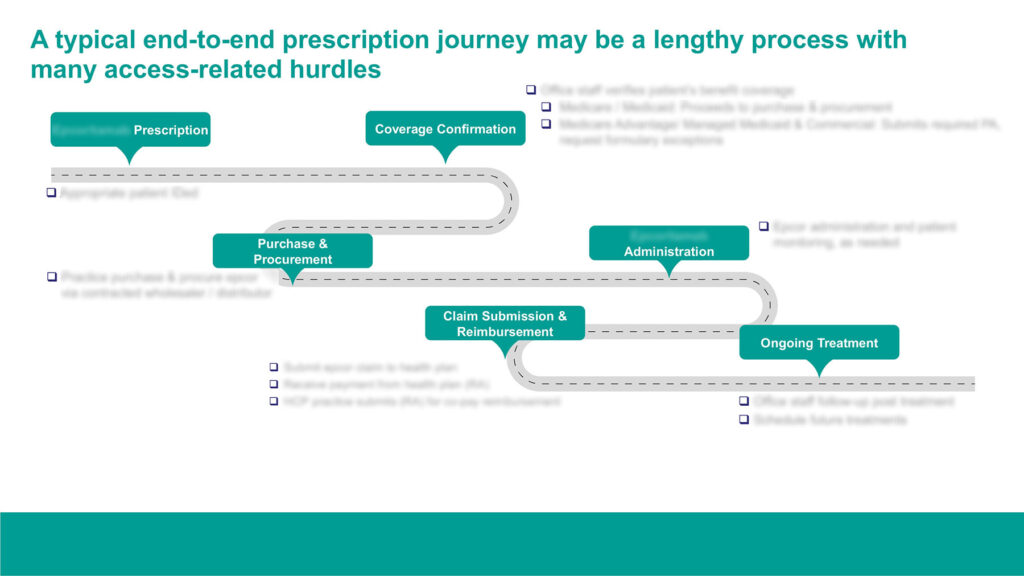
Identified emotional and operational friction points in bispecific therapy workflows



Surfaced barriers to recommending patient support enrollment

Validated assumptions around health literacy, culture, and sensitive oncology conversations

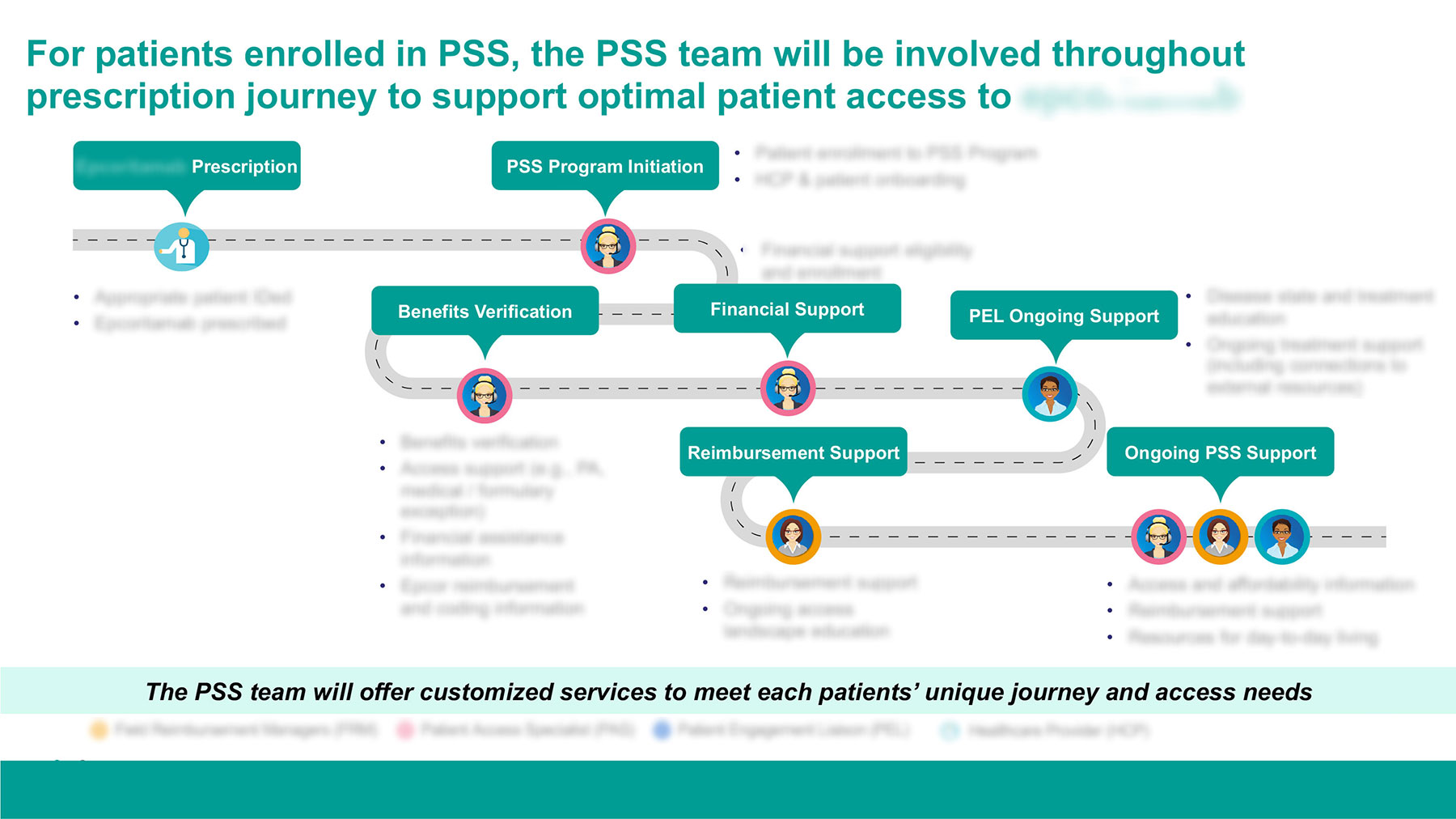
Evaluated the Patient Support Program concept and provided structured feedback

Translated frustrations into “Wish Statements” to reveal improvement opportunities
Identified emotional and operational friction points in bispecific therapy workflows

Surfaced barriers to recommending patient support enrollment

Validated assumptions around health literacy, culture, and sensitive oncology conversations
Evaluated the Patient Support Program concept and provided structured feedback

Translated frustrations into “Wish Statements” to reveal improvement opportunities